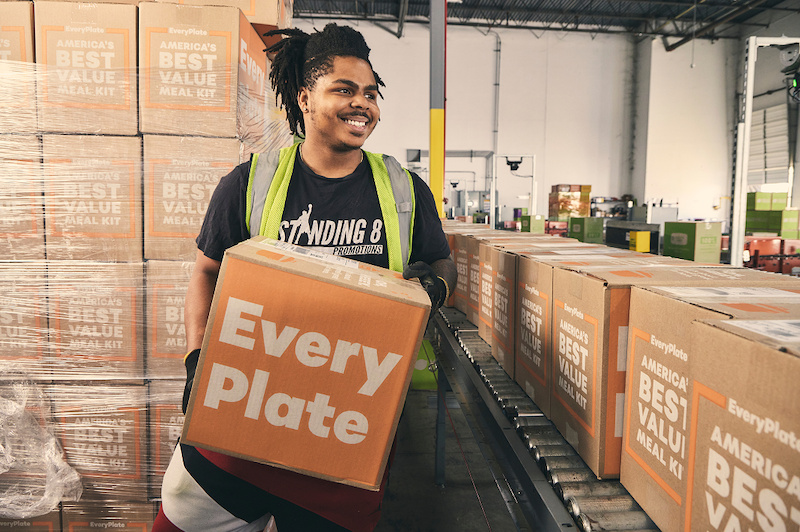
Parcel shipping is the journey every online order takes from your warehouse racks to your customer’s doorstep, ending with last-mile delivery. And it’s the part of the purchase consumers remember most.
In Veho’s State of Delivery 2026 survey, for example, 75% said a positive delivery experience makes them more likely to buy from a retailer again. That makes parcel shipping a retention and conversion lever, not just a cost line. What’s more, 54% of shoppers have bought from a retailer for the first time because of the delivery options at checkout, and 56% have abandoned a cart because those options didn’t fit their needs.
This guide explains how parcel shipping works, where it breaks down, and how you can turn delivery into a loyalty driver for your e-commerce business.
What Is Parcel Shipping?
Parcel shipping is the transportation of individual packages through a delivery network to a recipient’s home or business. Packages move as separate units, usually in boxes or mailers, rather than as palletized freight.
A clothing order, a beauty subscription box, or a small household item can travel as a parcel. Each package has its own shipping label with destination details and a tracking identifier used to route it and record its progress.
What Qualifies as a Parcel?
A parcel is a package that’s too large, thick, heavy, or rigid to travel as a letter or large envelope, but still small enough to stay within a delivery partner’s parcel limits. A stiff or lumpy envelope, or one with a box inside, is typically handled as a parcel, while very heavy or palletized shipments usually move as freight instead. Exact size and weight limits vary, so check with your shipping partner for their specific requirements, and measure your finished package, including its container and padding, before choosing a service.
Individual Packages and Common Products
Parcels range from clothing in padded envelopes to carefully boxed personal-care products. The packaging should suit the product and withstand handling. A soft item may need only a durable mailer, while a breakable product likely needs a rigid container, void fill, or cushioning.
Size, Weight, and Packaging Requirements
Size and weight limits vary by service. Measure and weigh the fully packed shipment, then compare the results with your selected service’s requirements. Contents need attention too. A package may meet the dimensional limits but contain a perishable or regulated product that requires special arrangements.
Types of Parcel Shipping Services
Traditional delivery networks sort services by speed and geographic coverage: standard ground for flexible timing, expedited and same- or next-day options for urgent orders, and domestic versus international shipping, where customs clearance adds time. Tech-forward partners like Veho work differently.
Ground Plus Suite: Five Speeds, One Pickup
Veho’s Ground Plus Suite offers a flexible delivery experience with five ground speeds, from Ground Plus Zero, its fastest, to Ground Plus Four, its most cost-efficient. You assign a speed when you create each order, so a loyalty member’s purchase can move faster than a routine restock, and every shipment carries a specific promise date instead of a transit window. All five speeds leave in the same pickup, with no pre-sorting or separate staging on your dock.
How to Prepare Packages for Parcel Shipping
Before pickup, your team can follow these strategies to prevent delivery problems that become harder to resolve in transit.
Choose Suitable Packaging and Protect the Contents
Choose a container that can withstand handling, then secure the contents inside it. Void fill should prevent movement, while dividers can keep fragile items from striking one another. Penn State Extension’s guidance on packaging for online orders emphasizes matching protective materials to product fragility and shipping conditions. A strong outer box still needs adequate protection inside.
Seal, Measure, and Label the Package
Once everything is secure, seal the container and record its finished weight and dimensions. The label needs a clear, scannable surface away from openings or edges where it could crease or tear.
Confirm the Address and Delivery Details
A parcel can reach the right building and still be difficult to deliver without an apartment number. Verify the recipient’s address, unit details, postal code, and return information. Where supported, make sure access instructions and placement preferences reach the delivery team.
How Does Parcel Shipping Work?
Although each network operates differently, most parcel journeys follow five stages. Tracking events connect those stages, helping your team and customers follow the order’s progress.
Step #1: Prepare the Order for Shipping
At the fulfillment location, your team picks the products, checks the order, and packs the shipment. The shipping system then generates a label and tracking identifier. At this point, “label created” may appear in tracking even though the parcel is still awaiting collection.
Step #2: Hand the Parcel Over for Shipping
Pickup, drop-off, or an arranged transfer brings the package into the delivery network. Handoff records distinguish orders that have left your facility from those still waiting. Preparation and pickup schedules need to align; otherwise, a finished order may sit until the next collection.
Step #3: Sort and Transport the Parcel
Facilities group incoming parcels for movement toward their destinations. Some pass through several hubs, while others take a more direct route to the local delivery area. With Veho’s Ground Plus Suite, you don’t pre-sort by speed. Mixed orders leave in one pickup, and Veho sorts each package into its assigned speed and routes it toward its promise date. Scans along the way create milestones your support team can consult when explaining progress or investigating a delay.
Step #4: Complete the Final-Mile Delivery
From the local facility, the parcel joins a route to the recipient. Completing the stop may involve a signature, building access, or an approved package location. For residential delivery, reaching an apartment building is only part of the task; the driver may still need to locate its package room.
Step #5: Confirm Delivery
After the handoff, the system records completion, potentially with a timestamp, photo, signature, or notification. Customers can use that confirmation to locate their orders, while your support team can review it when questions arise. If the attempt fails, an exception record should explain what happened and guide follow-up.
Parcel vs. Package vs. Freight Shipping
Individual customer orders and bulk inventory shipments often need different transportation arrangements. Understanding those differences helps you choose a service suited to the goods and the destination’s receiving capabilities.
Parcel Shipping vs. Package Shipping
Parcel shipping and package shipping generally mean the same thing: transporting individually packaged goods to a recipient. You may see either term in shipping information, order updates, or delivery instructions.
Parcel Shipping vs. LTL Shipping
Less-than-truckload (LTL) shipping allows several shippers to share truck capacity. It commonly handles goods secured to pallets or packed in crates, including shipments too large or heavy for a parcel service.
The difference also affects receiving. Individual parcels can move through package sorting systems, while palletized freight often needs equipment for loading and unloading. A destination without a loading dock may require a liftgate to lower the shipment from the truck.
You may use both methods within the same supply chain. Bulk inventory can arrive at your fulfillment center through LTL, then be unpacked and stored. As customers place orders, individual items leave through a parcel network.
Benefits of Parcel Shipping for E-Commerce Businesses
Parcel shipping is the delivery method built for e-commerce: single orders sent to individual addresses, without the pallets or minimum weights that freight requires. That design shapes what it does for your business, from how far you can sell to what customers experience after checkout. Here’s where it makes the biggest difference.
Benefit #1: Deliver Individual Orders Directly to Customers
Customers can receive purchases at their chosen address without visiting a store or collection point. Meanwhile, your fulfillment operation can distribute orders to many separate destinations, reaching additional customers as your capacity and shipping partner’s coverage allow.
Benefit #2: Support Different Delivery Needs
A purchase needed by Friday calls for different planning from an order placed well in advance. Your e-commerce delivery strategy should account for those timing needs alongside product requirements, destinations, and preparation schedules. The options shown at checkout should reflect what your operation can deliver.
Benefit #3: Provide Shipment Visibility
Instead of contacting support for every update, customers can check available tracking themselves. When a question does require help, your team can consult shipment records to understand the status and coordinate follow-up.
Benefit #4: Build Customer Confidence and Loyalty
Customers want their orders to arrive quickly and reliably. In fact, 95% of shoppers considered delivery speed important, while 92% also valued a consistent delivery experience. When your business delivers as promised and keeps customers informed, it builds confidence they can bring to their next purchase.
Challenges of Parcel Shipping
A package can be delayed, damaged, or difficult to deliver even after it leaves your warehouse. Resolving these problems requires your fulfillment team, shipping partner(s), and customer support to share information and agree on who handles the next step.
Challenge #1: Preventing Package Damage
Repeated handling and stacking can damage products when containers or cushioning provide too little protection. If the same item repeatedly arrives damaged, review incident reports and packaging together. A stronger box, divider, or secure closure may prevent further problems.
Challenge #2: Managing Delays and Delivery Exceptions
Weather may delay transportation, while a missing apartment number can prevent delivery. Agree with your shipping partner on who investigates, obtains corrected information, and arranges follow-up. Your support team can then explain what happens next and whether the customer needs to act.
Challenge #3: Keeping Customers Informed
Tracking may show package movement while still displaying an arrival date that has passed. When a shipment is delayed, share a revised estimate as soon as one is available and explain whether the customer needs to act. Give support teams the same information so their answers remain consistent.
Challenge #4: Maintaining Reliable Delivery During Peak Periods
A promotion can create a packing backlog or exceed pickup capacity before transportation begins. Plan staffing, supplies, and collections around expected volume. If preparation takes longer, include that extra time in checkout estimates so customers know when to expect their orders.
Technology and Innovation in Parcel Shipping
Delivery technology connects package movement with the information teams and customers need. Scanning, sorting, routing, and communication tools help coordinate shipments, identify problems, and make the delivery experience easier to follow.
Innovation #1: Package Scanning and Tracking
Scans record events such as facility arrival or departure for delivery, helping customers follow progress and your team investigate delays. Most tracking shows these milestones rather than continuous GPS location, so a gap between scans does not necessarily mean the parcel has stopped moving.
Innovation #2: Automated Sorting and Route Optimization
At sorting facilities, automated systems read labels and direct parcels toward their next destination. Routing tools then plan how those packages move, accounting for destinations, available capacity, and delivery commitments.
AI can help adjust those plans as conditions change. For example, Veho makes routing decisions for individual packages based on their promised arrival dates, allowing packages with different delivery timelines to move through the same network.
Innovation #3: Delivery Notifications and Customer Communication
Notifications alert customers to approaching deliveries, revised estimates, or unsuccessful attempts without repeated tracking checks. Where two-way communication is available, customers can provide missing details, such as an entry code. That information needs to reach the delivery team in time to help complete the stop.
For example, Veho keeps customers updated by text and email as their delivery approaches, and customers can reply with instructions, so details like a gate code reach the driver before the stop rather than after a failed attempt.
Innovation #4: Digital Proof of Delivery
Photos, timestamps, and signatures record the handoff. A clear photo helps customers identify where an unattended package was left, while the same records give your support team a starting point for investigating an order reported missing.
For example, Veho drivers capture a photo and timestamp at the doorstep, giving customers and support teams a shared record of where the package was left and when.
Parcel Shipping Across E-Commerce Industries
Different products place different demands on parcel shipping. Fragility, temperature sensitivity, and product value influence packaging, delivery timing, and how customers receive their orders.
Fashion and Apparel
Flexible garments may suit durable mailers, while structured bags and delicate accessories need protection that preserves their shape and finish. Packaging should also keep your products clean, dry, and ready to use.
Beauty and Personal Care
Glass bottles and liquids need secure closures, dunnage, void fill, or separation to prevent leaks and breakage. Check restrictions for specific formulations, since some products require special handling regardless of package size.
Consumer Electronics
Secure packaging protects devices against impact, movement, and, where relevant, electrostatic damage. Battery-containing products may have additional requirements, while tracking and delivery confirmation help your team and customers follow valuable orders.
Household Products
Home goods vary widely in size and weight. Assess the fully packed shipment, including weight distribution and handling needs, to determine whether parcel shipping or freight is appropriate.
Food and Beverage
Shelf-stable goods need protection from crushing and leakage. Chilled or perishable orders may also require insulation, coolants, and carefully planned delivery timing. Your packaging and selected service must work together to maintain the required conditions through arrival.
Parcel Shipping Examples With Veho
Recurring beauty orders and perishable groceries create different delivery demands. IPSY and Hungryroot show how reliable arrival, shipment visibility, and customer instructions support those needs.
Parcel Shipping Example #1: IPSY and Veho
Beauty subscription company IPSY needed to meet rising delivery expectations while coordinating recurring shipments across its membership. Consistent arrival and visibility were important to keeping members satisfied.
Through its partnership with Veho, IPSY combined tracking, delivery photos, and customer-provided instructions with information learned from previous deliveries. Driver notes and geofencing helped address recurring delivery issues, while clearer shipment records supported faster resolutions.
For subscription businesses, each delivery provides information that can improve the next. Retaining useful access instructions and delivery notes helps teams avoid repeatedly encountering the same problem at a returning customer’s address.
Parcel Shipping Example #2: Hungryroot and Veho
Hungryroot’s perishable grocery shipments make timely arrival particularly important. Hot weather in Texas added urgency to finding a reliable delivery partner for customers in Houston, Austin, and Dallas–Fort Worth.
By partnering with Veho, Hungryroot achieved a reported 99% on-time delivery rate. Customers received delivery time frames, could text specific instructions, and received proof-of-delivery photos through SMS. Following improvements during the summer months, Hungryroot expanded its partnership with Veho.
What to Look For in a Parcel Shipping Partner
Your partner orchestrates the entire parcel shipping experience, so it’s worth judging them on more than price. Here’s what to look for:
- Committed delivery dates. A transit window says when a package might arrive. A promise date says when it will. Ask whether the partner commits to a specific date on each shipment and how often it meets that date.
- A range of speeds and costs. Not every order needs the same speed. Look for a partner that lets you match the service level to the order, so you spend on speed where it matters and save where it doesn’t.
- A simple handoff. If offering several speeds means pre-sorting or staging separate loads, the complexity lands on your dock. Find out how much sorting the partner handles and how easily it connects to your order and shipping systems.
- Smart routing. Ask how the partner decides which route each package takes. Technology that weighs cost against the promise date can lower costs without putting delivery dates at risk.
- Delivery accuracy. Failed deliveries often come from address and location errors, not just the route. Ask how the partner validates addresses, confirms where packages are left, and lets recipients correct details.
- Visibility and communication. Look for proactive updates, proof of delivery, and tracking your support team can use to answer “where is my order?” Check whether customers can add their own delivery instructions.
- Capacity and coverage. Confirm the partner serves your customers’ markets and can absorb peak volume without slipping.
- Returns. If returns are part of your customer experience, ask whether the partner can pick them up from the doorstep.
Ask for performance data on each of these, and ask how the partner defines “on time.” The definition matters as much as the number.
Parcel Shipping as a Brand Experience: The Veho Model
Veho is a parcel delivery network built for e-commerce shippers. Its model starts from a simple idea: commit to a delivery date, route each package toward it, and give customers control over how it arrives.
One pickup, five speeds, a date on every shipment. Veho’s Ground Plus Suite offers five ground speeds, from Ground Plus Zero (fastest) to Ground Plus Four (most cost-efficient). You assign a speed to each order, every shipment carries a promise date, and all five speeds leave in the same pickup, so there’s no pre-sorting on your dock.
Routing built around the promise. Veho commits to a delivery date, then picks the most cost-effective route that still gets each package there on time.
A network built to flex. Veho pairs regional sorting and delivery facilities with a network of independent driver-partners, who choose their routes through Veho’s app. That structure helps capacity scale with demand.
Precision at the doorstep. Veho validates addresses before delivery, and drivers can compare their delivery photo against previous successful ones. With Perfect Placement, customers photograph exactly where they want a package left. The driver sees that photo with the delivery instructions, and the customer gets a confirmation photo afterward.
Visibility for you and your customers. Recipients get tracking, proactive updates, and proof of delivery through Veho’s tracking page and mobile app, where they can also add instructions and adjust their delivery pin. Shippers get a client portal with tracking, exception reports, proof of delivery, and performance metrics.
The result? 99%+ on-time delivery. 4.9/5 customer satisfaction. And a brand experience that stays exceptional all the way to the doorstep.
Support Your E-Commerce Parcel Shipping With Veho
A reliable parcel shipping experience starts before pickup and continues through delivery confirmation. Packaging, fulfillment schedules, shipment visibility, and customer communication all contribute to whether an order arrives as expected.
Talk to Veho about your shipment volume, destinations, and delivery requirements. Together, we can explore options that fit your operation and exceed customer expectations.