.svg)

When a package reaches a customer's doorstep, all of the effort that got it there comes down to a single moment of truth: when the customer receives their order.
The product has been designed, marketed, purchased, picked, packed, scanned, routed, and moved through a network the consumer will never see. But for the shopper, all of that work comes down to one outcome: the package arrives, or it does not. It arrives as promised, or it does not. It feels like the brand they bought from, or it does not.
That is why delivery has become one of the most consequential parts of the e-commerce customer experience.
For years, many delivery strategies were built from the inside out: around cost, capacity, speed, and network constraints. Those inputs still matter. But they are not the whole story anymore. As ecommerce brands compete for loyalty, the post-purchase experience has become a test of trust.
A tracking update can calm uncertainty. A damaged box can weaken confidence. A proactive replacement can turn a missed delivery into a moment of care. And an order that arrives exactly as expected can give a consumer one more reason to come back.
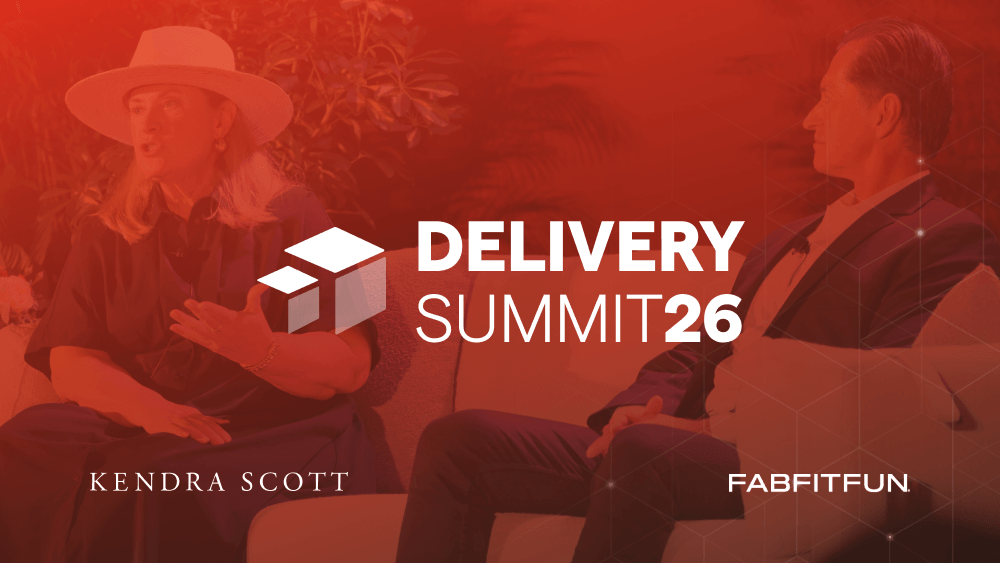
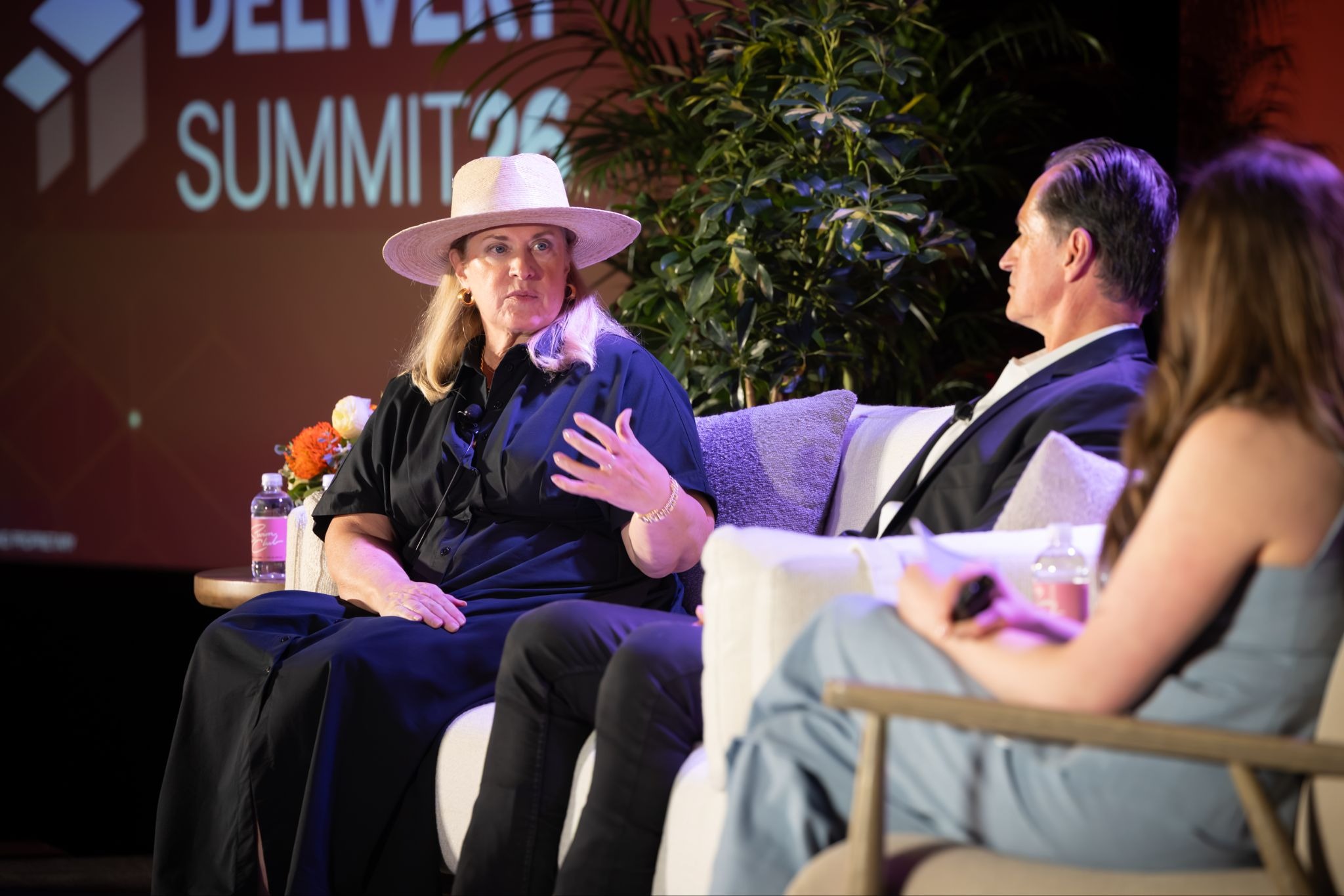
At the Veho Delivery Summit, Laura Bozoian, Chief Supply Chain Officer at Kendra Scott, and Julian Van Erlach, SVP of Global Supply Chain at FabFitFun, spoke about delivery in precisely those terms: not as a back-office function, but as a customer experience advantage. Their teams are rethinking logistics as a way to strengthen trust, support retention, and protect the brand promise long after a shopper clicks “buy.”
Here are five lessons from their conversation.
Design for Experience
For many brands, delivery is still measured by speed. But speed alone isn’t enough.
Consumers don't experience delivery as a series of operational metrics. They experience it as a reflection of the brand. A delivery that arrives on time, with proactive updates and thoughtful presentation, reinforces the confidence they felt when they placed the order. One that falls short can quickly undermine it. For brands, delivery isn't simply about moving packages efficiently — it's about consistently delivering on the promise made at checkout.
Kendra Scott has built its delivery strategy around that philosophy. Rather than treating logistics as a separate function, the company approaches delivery as an extension of the customer experience from the moment an order is placed.
Laura Bozoian, Chief Supply Chain Officer at Kendra Scott, explains:
“Customer experience is by far the number one effort and energy we put around the logistics experience. It’s not just about shipping and receiving. It starts with how we communicate to the customer and continues through how the package is received and what’s inside.”
In other words, every notification, package, and interaction shapes how consumers remember the brand, reinforcing confidence when the experience meets expectations and undermining it when it doesn't.
“It’s not just getting it quickly,” Bozoian adds. “It’s getting it packaged well and delivered with a great experience.”
Brands that design delivery around the customer experience create another opportunity to build trust after checkout. Over time, those moments become a competitive advantage that encourages consumers to come back.

Measure What Matters
What you measure shapes the experience you deliver because it determines what your team prioritizes, invests in, and ultimately improves. If you’re only tracking cost and speed, you’ll optimize for cost and speed, even if the experience suffers.
The challenge is that tying delivery performance to lifetime value isn’t straightforward. Cost and speed are easy to quantify. The downstream impact of a poor experience, like frustration, lost trust, and churn, is much harder to measure. As a result, it’s often overlooked.
That creates a blind spot for brands. Logistics metrics can reveal what happened, but they don't always explain how consumers experienced it. A package may arrive on time while still creating frustration because it was damaged, left in the wrong location, or arrived without clear communication. Understanding both delivery performance and perception helps brands identify exactly where the experience begins to break down.
At FabFitFun, Van Erlach focuses on combining performance data with shopper feedback to get a more complete picture. “We look at time from induct to delivery, loss rate, damage rate, and how often a package arrives more than a day after the out-for-delivery scan, which creates customer angst,” he explains. “But we also look at what customers are actually saying: ‘my item was damaged,’ ‘the box didn’t look good,’ ‘wrong address.’”
Together, those metrics help brands pinpoint where the experience breaks down — and whether the right solution is better delivery execution, stronger communication, improved packaging, or more thoughtful recovery.
At Kendra Scott, that same philosophy extends beyond delivery metrics alone.
Bozoian emphasizes the importance of pairing metrics with real context. “We’re starting to marry data with the reality of our customer care team,” she says. “We know when an order is left behind, and we’re proactive around key events, especially for moments like holidays or special occasions.”
By connecting fulfillment data with feedback, brands can move beyond measuring delivery performance to improving the customer experience. That's ultimately what matters most. The goal isn't simply to understand how the network performed — it's to understand how consumers experienced the brand and where thoughtful improvements can strengthen trust and loyalty.
Turn Delivery Into a Retention Strategy
Acquiring a new customer can cost five to 25 times more than keeping an existing one, making retention one of the highest-leverage growth opportunities for ecommerce brands.
Delivery is an important way to earn that retention. In fact, three-quarters of consumers (75%) say a positive delivery experience makes them more likely to shop with a brand again, and more than half of consumers (56%) say they have prioritized certain brands because of a positive delivery experience in the past.
That makes delivery about much more than getting an order from point A to point B. Every successful delivery reinforces the relationship a brand has already begun building. And when something doesn't go as planned, the response can either strengthen that relationship or put it at risk. Brands that treat delivery as part of their retention strategy recognize that moments of friction are also opportunities to reinforce the brand promise.
FabFitFun, for example, treats delivery issues as opportunities to reinforce confidence rather than simply resolve errors. Rather than waiting for consumers to contact support, the team proactively reaches out when an order won't arrive as expected — often with a solution already in motion.
“If we know an order isn’t going to make it, we don’t wait,” Van Erlach explains. “We’ll ship a replacement and call the customer to let them know it’s already on the way, expedited on us.”
By resolving issues before consumers have to ask, FabFitFun transforms a potential frustration into an opportunity to reinforce the brand promise.
It may increase short-term costs, but the alternative is far more expensive. “The cost per order isn’t very high,” he says. “But the cost of member perception, retention, and their propensity to spend again can be very high.”
Looking at delivery through the lens of lifetime value changes how brands evaluate those costs. Recovery efforts may increase the cost of a single shipment, but they can protect the relationship, encourage repeat purchases, and preserve long-term revenue that would otherwise be lost.
That philosophy extends to how the team resolves delivery issues. Rather than defaulting to a single solution, they give options. “We can reship the item for free, or offer a credit that’s actually higher than the value of the item,” Van Erlach says. “More often than not, customers choose the credit. It’s cheaper for us, it gives them choices, and it creates a better perception.”
Providing options recognizes that recovery isn't one-size-fits-all. By giving consumers the flexibility to choose what works best for them, brands can create a better experience while making smarter business decisions.
Done well, recovery isn't the cost of a delivery failure. It's an opportunity to reinforce the brand promise when consumers are paying the closest attention.
Reduce Costs Without Compromising the Experience
Shipping is typically the second-largest line item for most ecommerce retailers’ P&L statements, creating constant pressure to improve efficiency without sacrificing customer experience.
The most effective cost-saving initiatives make smarter tradeoffs that improve both operational performance and the consumer experience.
At FabFitFun, that means rethinking a seemingly simple decision: packaging. “We used to overbox every shipment,” Van Erlach explains. Each order was packed into a branded kit box, then placed inside a larger outer box along with additional items. The result was higher material costs, increased shipping costs due to added volume, and extra handling steps.
The solution? Eliminate the outer box entirely. But that introduced a new challenge: protecting the product and preserving presentation. “Now we might have 14 items that need to survive that journey,” he says. “The dunnage, how we construct the box, how it holds up — all of that matters because customers expect it to arrive intact and still look good.”
Rather than accepting a tradeoff between cost and experience, the team redesigned its packaging to improve both.
To manage that end-to-end experience, the team invested in better visibility across the delivery journey. “We’ve integrated everything at the tracking number level,” Van Erlach explains. “Carrier scans, customer feedback, delivery updates — it all lives in one place.” That includes layering in customer service data and tracking signals to understand not just where an order is, but how it’s performing.
The goal isn’t just cost reduction. It’s making smarter tradeoffs, removing unnecessary expenses while ensuring the consumer still gets exactly what they expect. Cost optimization doesn't have to come at the expense of the experience. Brands that evaluate operational decisions through both a financial and consumer lens are better positioned to improve margins while continuing to earn consumer trust.
Make Delivery a Cross-Functional Strategy
Even the best delivery strategy breaks down if teams aren’t aligned. Logistics doesn’t operate in isolation. It’s directly shaped by decisions in merchandising, marketing, and planning.
That's because the experience isn't created in the last mile alone. Inventory planning, assortment decisions, promotions, and demand forecasting all influence whether brands can consistently deliver on the promises they make at checkout. When those functions aren't aligned, challenges often surface where consumers notice them most: during delivery.
At FabFitFun, that became clear early on. “We realized the inventory we had on order exceeded our warehouse capacity,” Van Erlach explains. “We had to set up temporary storage just to handle it.” The root issue was a lack of coordination upstream.
That moment forced a shift toward tighter alignment across teams. “We needed to work much more closely with merchandising and marketing to understand what we were buying, why we were buying it, and the implications across cost, storage, and fulfillment,” he says. “It couldn’t be siloed anymore.”
Cross-functional alignment helps brands resolve tradeoffs before they become delivery problems consumers actually experience.
Today, that coordination is more intentional. Data and analytics are shared across functions to inform better decisions — from pricing and assortment to demand planning and inventory levels. “We’re using BI and starting to layer in AI to understand what’s selling, why it’s selling, and how much we should buy going forward,” Van Erlach adds.
The result is a more connected operation, where decisions are made with the full end-to-end impact in mind. Because delivery is rarely the responsibility of a single team. Brands that treat it as a shared business priority — not just a logistics function — are better equipped to create consistent customer experiences while supporting long-term growth.
The Best Delivery Strategies Start With the Consumer
The common thread across every lesson is simple: the brands leading in ecommerce no longer view delivery as the final operational step. They treat it as part of the experience itself.
Whether that means designing better unboxing experiences, recovering proactively when issues arise, or aligning teams around the shopping journey, logistics has become a meaningful driver of loyalty and long-term growth.
Taken together, these insights reflect a broader shift: delivery is no longer measured solely by efficiency or on-time performance, but by how consistently it reinforces the trust consumers place in a brand.
The brands that win are designing delivery as part of the product, measuring what actually matters, and making smarter tradeoffs across cost, speed, and experience. In doing so, they're transforming delivery from a fulfillment function into a competitive advantage — one that strengthens relationships, encourages repeat purchases, and supports long-term growth.
To hear more from Bozoian and Van Erlach on how they’re rethinking delivery at scale, download the full recording from Veho’s Delivery Summit.