.svg)



.svg)

A consumer can spend days considering a purchase, comparing products, and reading reviews before finally deciding a brand is worth their money and trust. But that trust doesn't end at checkout, it just shifts hands. The moment the package leaves the retailer's control, the delivery experience becomes the brand.
Consumers treat it that way, too: 47% say their overall satisfaction with a purchase is split equally between the product and the delivery experience, while another 26% say delivery matters more than the product itself. And when that experience falls short, the damage sticks. 32% of shoppers who switched to a competitor after a poor delivery experience never went back.
Delivery isn't the operational afterthought it's often treated as. It's the moment where a brand's promises either become real or fall apart.
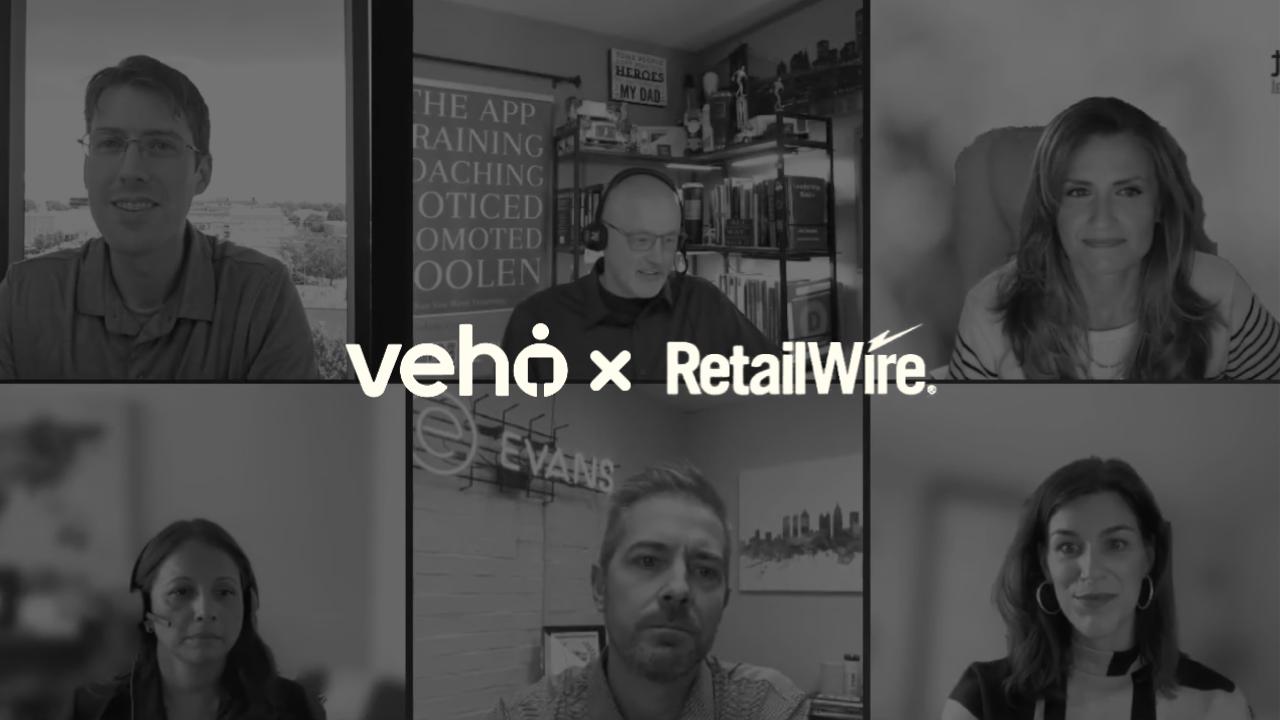
At a recent RetailWire roundtable on the future of last-mile delivery, Veho’s VP of Marketing Catherine Dummitt joined a panel of logistics, customs, and climate experts to talk about where delivery is headed, and what it means for brands trying to win on customer experience.
Here are her key takeaways from the conversation.
Speed Isn't the Differentiator It Used to Be
For nearly two decades, the entire industry raced toward one goal: fast delivery. Ever since Amazon Prime introduced two-day shipping, expectations kept compressing. Two days became next-day, next-day became same-day, and so on.
But our 2026 State of Delivery report surveyed nearly 2,000 U.S. shoppers to find that this race has hit diminishing returns.
Speed alone no longer sets a brand apart. So, what does? Optionality.
"It's choice," Catherine explained. "Folks want to know that they can choose a shorter time period for something that's urgent, versus maybe they don't necessarily need speed for a commodity." Shoppers want to know when something will arrive and to feel like they have some control over that promise — not just how fast it can technically get there.
Delivery Dates Are a Conversion Tool
Our data backs this up: 56% of consumers say they've abandoned an online purchase because the delivery options offered didn't meet their needs. If a shopper lands on a product page and doesn't see a delivery estimate, they don't wait around — they go to a retailer that offers one. Among that 56%, for example:
- 55% abandoned because the available delivery date was too far out
- 38% left due to no free shipping option
- 33% abandoned because they couldn't select a specific delivery window
That means offering a delivery date isn't just about setting expectations. It's a competitive necessity for earning the sale in the first place.
A Promise Date Is Only as Good as the Ability to Keep It
Making that promise, though, comes with responsibility. Brands need the operational infrastructure, including the right shipping partners, to actually deliver on it. And because disruptions are inevitable (weather, geopolitical events, etc.), retailers also need a well-designed communication playbook baked directly into the customer journey.
When something goes wrong, customers are generally understanding, as long as they're told. But silence is worse than a delay itself. Going quiet on a disrupted delivery does more damage to the customer relationship than the disruption ever could.
Among shoppers who stopped shopping with a retailer altogether, 30% point to a lack of proactive communication or visibility into the delivery process as the reason.
Conversely, 82% of shoppers say a retailer proactively communicating about a delay increases their trust in the brand, with 47% saying it increases their trust significantly.
In other words, consumers don't just judge a brand by whether something goes wrong. They judge how the brand responds when it does.
Small Delivery Upgrades Can Become Big Brand Moments
Catherine also pointed to shipping upgrades as a way to delight loyal customers. Surprising a VIP customer with a free upgrade to faster delivery costs little, but it creates a memorable moment that builds long-term loyalty, turning a logistics decision into a brand moment.
The Bottom Line: Stop Treating Delivery As A Cost Center
The brands that treat delivery as a true customer experience to own, not just a cost to minimize, are the ones pulling ahead. That means bringing more stakeholders into the conversation about last-mile delivery optimization, exploring partners that treat your customers like their own, and aligning on experiential KPIs, in addition to cost and speed.
Delivery is brand. For e-commerce companies where the delivery may be the only real-world touchpoint a customer ever has with the company, that's not a small thing. It's the whole relationship.