.svg)



.svg)

.png)
Last-mile delivery used to be judged by a simple question: did the package arrive?
Yes or no. Simpler times.
Today, the question is more complicated:
- Did the package arrive when promised?
- Was the customer informed along the way?
- Did the package land in the right place, in the right condition, with enough confidence that the shopper would choose the brand again?
The change in the question reflects a change in the role delivery plays. Last-mile delivery is no longer the final operational step between a warehouse and a shopper’s doorstep. It is one of the most visible moments in the e-commerce customer experience, and increasingly, one of the most important.
That shift is changing how retailers think about last-mile delivery optimization. Speed still matters, but it is no longer the only measure of success. Customers expect accuracy, flexibility, and confidence that the brand will deliver on the promise made at checkout.
Fifty-six percent of consumers say they've prioritized certain brands because of a positive delivery experience, while 75% say a positive delivery experience makes them more likely to shop with that brand again. And ninety percent of consumers are at least somewhat willing to pay more for a delivery experience that keeps them informed, adapts when plans change, and arrives when they actually need it.
Meeting those expectations requires a thoughtful approach to last-mile delivery optimization. Brands that get it right create more reliable, flexible, and personalized delivery experiences while meeting long-term business goals.
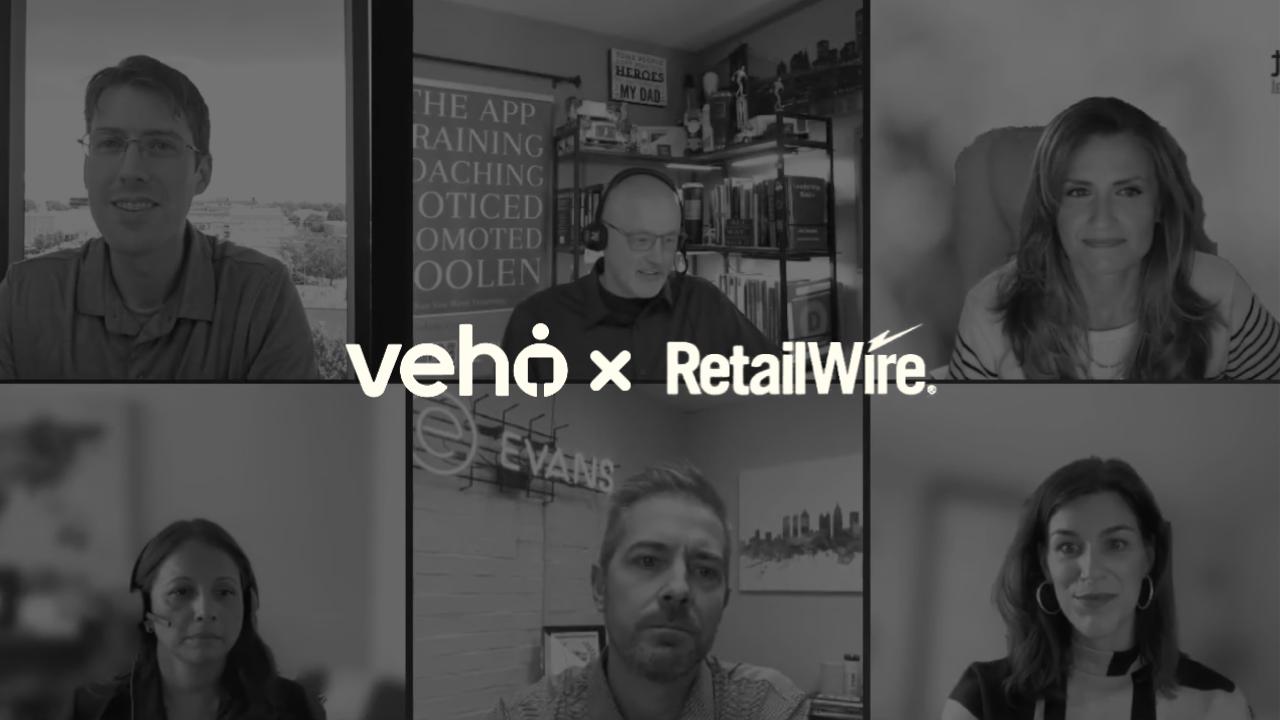
At the Veho Delivery Summit, retail and supply chain leaders shared how they're approaching last-mile delivery optimization. Featured speakers included:
- Scott Anderson, COO of Chewy
- Laura Bozoian, Chief Supply Chain Officer at Kendra Scott
- Lior Ron, COO of Waabi
- Julian Van Erlach, SVP of Global Supply Chain at FabFitFun
Here are five last-mile delivery optimization best practices brands can use to improve operations, control costs, and create delivery experiences that keep customers coming back.
Last-Mile Delivery Optimization Tip #1: Invest in Partners That Make Your Supply Chain Smarter
A shipping partner should do more than move packages through a network. The right partner should make the network better.
That distinction matters because last-mile delivery optimization is not a one-time project. It is an ongoing discipline: finding better ways to balance speed, cost, reliability, and customer experience as expectations continue to rise.
At the Veho Delivery Summit, Lior Ron compared evaluating a logistics partner to evaluating a new hire. The question is not only whether they can do the job. It is whether they can teach you something. Are they bringing new ideas? Better technology? More visibility? A sharper understanding of where the industry is headed?
The best shipping partners do not simply execute a strategy that they are handed. They help make the strategy stronger.
Last-Mile Delivery Optimization Tip #2: Use Granular Data to Strengthen Performance
Averages can tell you how the network is performing. They rarely tell you where the customer experience is breaking.
That is why the best last-mile delivery optimization starts with granular visibility: performance by ZIP code, facility, route, shipment type, product category, and delivery partner. The more specific the data, the easier it becomes to separate broad performance trends from the small operational issues that create outsized customer pain.
At the Veho Delivery Summit, Chewy COO Scott Anderson made that point clearly. Aggregate performance matters, but he said he is far more interested in the specific ZIP codes or nodes that are underperforming. That level of visibility helps teams identify root causes and solve the right problem.
One example involved Chewy’s heavy cat litter shipments. Packages were being left in driveways instead of at customers’ doors, creating a poor experience for shoppers. The issue could have been treated as a delivery failure. Instead, Chewy worked with its logistics partners to understand the root cause and redesigned the packaging, splitting heavier shipments into smaller boxes that were easier to handle and less likely to be damaged.
That is the power of granular data. It shows that last-mile issues are not always last-mile problems alone. Sometimes the fix is in packaging. Sometimes it is in route design, facility operations, delivery instructions, or customer communication.
The goal is not just to measure performance. It is to find the point in the system where a better decision can create a better delivery experience.
Last-Mile Delivery Optimization Tip #3: Balance Cost and Experience
The cheapest delivery option is not always the most cost-effective one.
A lower rate can look good on a parcel table and still create hidden costs elsewhere: damaged packages, lost orders, support tickets, replacements, credits, and customers who decide not to come back.
That is why last-mile delivery optimization has to look beyond the cost of a single shipment. The better question is what the delivery experience costs the business when it goes wrong.
Julian Van Erlach, SVP of Global Supply Chain at FabFitFun, described the tradeoff clearly. The largest tension is often between quality and cost. FabFitFun tracks not only delivery speed, but also loss rates, damage rates, delayed deliveries, customer service engagement, and appeasement costs. Those recovery costs can add up quickly when deliveries do not go as planned.
That broader view changes the optimization equation. A shipping partner that reduces the shipment rate but increases customer contacts, replacements, or credits may not actually be lowering the total cost of delivery. It may simply be moving the cost somewhere else.
Last-Mile Delivery Optimization Tip #4: Align Your Network Around Shared Goals
The strongest delivery networks are built around aligned goals, not just shared contracts. When brands and logistics partners are aligned around the same priorities, they're better equipped to adapt, solve problems, and deliver a consistently better customer experience.
Retailers can have the right technology, the right data, and the right service levels on paper, but last-mile performance still depends on how well every partner understands the promise being made to the customer.
That promise changes by brand. For one retailer, it may be speed. For another, it may be precision, presentation, flexibility, or proactive recovery when something goes wrong. The best delivery networks are built around those shared priorities, not just around contracted rates and service-level agreements.
At the Veho Delivery Summit, Laura Bozoian, Chief Supply Chain Officer at Kendra Scott, described suppliers as an extension of the brand. “We win together,” she said. For Bozoian, the relationship matters as much as the capability because the delivery experience reflects directly on the customer’s perception of Kendra Scott.
That kind of alignment creates better operating behavior. Partners can make faster decisions, solve problems with more context, and adapt as customer expectations change. When everyone is optimizing for the same outcome, the network becomes more resilient.
The best last-mile partnerships are not transactional. They are built around a shared understanding of what the customer was promised, and what it takes to deliver on it.
Last-Mile Delivery Optimization Tip #5: Prioritize Your Unique Operational Needs
Every shipment carries a different promise.
A gift needed by the weekend, a heavy household item, a fragile product, and a routine replenishment order all create different expectations for speed, accuracy, handling, and communication. Strong last-mile delivery strategies recognize those differences and route each order according to what the customer moment requires.
That means looking beyond broad service levels and evaluating the specifics: product type, geography, delivery window, risk, customer expectations, and the cost of getting it wrong.
At the Veho Delivery Summit, Chewy COO Scott Anderson put it simply: brands have to align delivery decisions to their product needs. For Chewy, that means tailoring delivery strategies based on what is being shipped, the level of speed and accuracy required, and the risk to the customer experience.
This gives retailers more control. Instead of optimizing around averages, they can make smarter tradeoffs across cost, speed, reliability, and experience.
The strongest last-mile strategies are built around the actual promise each shipment needs to keep.
Build a Last-Mile Delivery Program That Drives Growth
Last-mile delivery optimization is no longer just about moving packages more efficiently. It is about designing a delivery experience that earns trust, protects margin, and gives customers a reason to come back.
That requires better partners, more granular data, smarter cost analysis, stronger alignment, and delivery strategies built around what each shipment actually needs. Together, those practices help retailers move beyond one-size-fits-all delivery and toward networks that are more reliable, more flexible, and more connected to the customer experience.
The brands that get this right will not simply reduce delivery costs. They will create a stronger post-purchase experience: one that keeps customers informed, adapts when plans change, and reinforces the promise made at checkout.
Because the last mile is not just where delivery ends. It is where the next customer relationship begins.
To hear more from the supply chain leaders, operators, and ecommerce brands shaping the future of delivery, watch the full recorded sessions from the Veho Delivery Summit.